
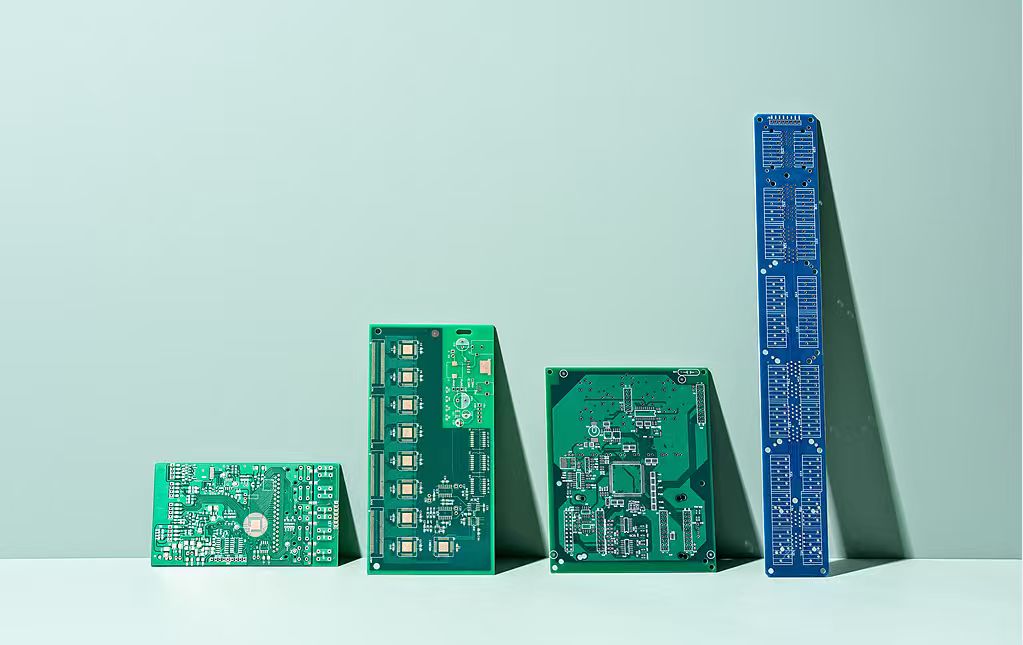
Let me introduce you to the silent saboteur of PCB quality: The Manufacturing Gap.
What Exactly Is the Manufacturing Gap?
The Manufacturing Gap isn’t a physical space or a missing component. It’s the critical disconnect between how a PCB is designed in software and how it must be built in reality.
Think of it this way: Your CAD software sees perfect lines, ideal materials, and theoretical tolerances. The factory floor deals with physical limitations, material variations, and process realities. The Manufacturing Gap is where these two worlds collide—or fail to connect.
Real Example: A client recently designed a beautiful 12-layer board with tightly packed BGA components. Their simulation showed perfect performance. In reality? Solder bridging caused a 40% failure rate on the first production run. Why? Their design didn’t account for the factory’s specific solder mask registration tolerance.
Three Places Where the Manufacturing Gap Hides
1. In Your Design Assumptions
Every “standard” value in your design—solder mask expansion, annular ring requirements, via plating thickness—varies by manufacturer. Assuming your fab house matches your CAD defaults is the first mistake.
2. In Your Documentation
A BOM without manufacturer part numbers, a fab drawing without clear material specifications, or assembly notes without explicit handling instructions—these are all gaps waiting to cause misunderstandings.
3. In Your Testing Strategy
Designing test points that can’t be physically probed, or specifying tests that require equipment your manufacturer doesn’t possess, creates gaps in quality verification.
How We Close the Gap Before It Costs You
At Portower, we’ve developed a systematic approach to identifying and eliminating the Manufacturing Gap:
Phase 1: Pre-Design Alignment
Before you even start your layout, we provide our specific design rules—not generic guidelines, but exact numbers from our production equipment. This includes:
Minimum solder mask sliver for our imaging process
Preferred stack-up configurations for our lamination press
Clearance requirements for our automated optical inspection (AOI) systems
Phase 2: Concurrent Design Review
While you’re designing, we’re reviewing—not just at the end, but throughout the process. Our engineers work alongside yours to flag potential manufacturing issues in real time. This isn’t about finding faults; it’s about co-creating solutions.
Phase 3: Digital Prototyping
We run your design through our virtual manufacturing system before any physical materials are ordered. This digital twin process simulates everything from solder paste application to thermal stress during reflow.
The Tangible Results of Gap-Free Manufacturing
When you eliminate the Manufacturing Gap, the improvements aren’t subtle:
Case Study: Industrial Control Board
Before: 28% first-pass yield, 3 design revisions needed
After: 92% first-pass yield, zero design revisions
Savings: $47,000 in avoided rework and 6 weeks of development time
Case Study: Medical Sensor Array
Before: Inconsistent performance between batches
After: Performance variation reduced from ±15% to ±2%
Result: Faster FDA approval due to consistent, documented quality
Questions to Ask Before Your Next Production Run
If you’re about to send designs to manufacturing, pause and ask:
When was the last time you updated your design rules based on actual factory feedback?
Do you know your manufacturer’s current capabilities and limitations?
Have you designed testability into your board, or are you hoping for the best?
What’s your plan for the inevitable deviations between design intent and manufacturing reality?
The Choice Before You
You have two paths for your next PCB project:
Path A: The Traditional Way
Design in isolation, hope your manufacturer can interpret your intent, discover issues during production, and manage the resulting delays and cost overruns.
Path B: The Integrated Way
Design with manufacturing insights from day one, catch issues before they become physical boards, and achieve predictable results from the first prototype run.
The difference between these paths isn’t just about avoiding problems—it’s about accelerating innovation. When quality is predictable, you can push boundaries with confidence.
Ready to Bridge Your Manufacturing Gap?
We’ve prepared two resources based on solving this exact challenge for hundreds of clients:
For Immediate Assessment:
[Download Our “Manufacturing Gap Audit Checklist”] – 10 specific items to review in your current design files that predict production success.
For Strategic Planning:
[Schedule a Manufacturing Readiness Review] – A 45-minute session where we’ll analyze your specific design against our production capabilities and identify your highest-risk gaps.
Quality shouldn’t be a surprise outcome. It should be a predictable result of intentional design and informed manufacturing.
Written by the engineering team at Portower. We don’t just manufacture PCBs—we ensure your design vision becomes reliable reality, without the gaps.